Stress is a normal physiological process that occurs in all animals, and just like it affects humans, stress can also affect your horse. Short-term stress is actually an adaptive mechanism and is not always bad because it helps horses escape a threat or cope better with their environment. Basically, if horses didn’t get stressed sometimes, they would be more likely to get into tricky situations.
However, the problem comes when horses are stressed for longer periods of time without being able to get away from what is causing it. This is when stress begins to have damaging effects on your horse’s body, including reduced immunity, inhibited performance and in particular, gastric ulcers (EGUS).
How can you tell if your horse is stressed, what are the most common causes and what can do you do to help ensure your horses stress levels are kept to a minimum for optimum health and performance? Lisa Elliott, MSc (Equine Nutrition Solutions) explains more.
Signs of stress
When your horse is exposed to something that elicits a stress response, commonly known as a ‘stressor’, his body releases a hormone called cortisol which promotes behavioural and physiological changes that result in some common signs and symptoms of stress including:
- Vocalisation or ‘whinnying’
- Defaecating
- Reduction of appetite
- Stereotypies (crib biting or box walking)
- Flared nostrils
- Flightiness
- Sweating
- Elevated cortisol
- Elevated heart rate
Causes of Stress
If your horse shows any or a combination of these signs, it’s likely he’s experiencing stress. Once you know your horse is stressed, you need to find out what’s causing it and taking appropriate action to reduce stress.
There are many causes of stress, here are some of the most common ones.
Pre-Performance/Competition
Just as we can get stressed and fearful of performance so can your horse. In addition, the noise, atmosphere and other horses at a competition are major stressors which can affect your horse. Research shows that cortisol levels rise at competitions prior to performance and that prolonged levels of stress negatively affect performance.
Change of environment
Horses in an established herd have access to familiar resources, safety, social relationships, and the opportunity to be a horse – essential for their health and well-being. Horses thrive when in familiar surroundings with familiar horses, so taking them out of this and putting them into an unfamiliar environment with initially unfamiliar horses can be one of the most stressful things a horse can experience.
Fear
Horses can become frightened for any number of reasons. At this time of year, especially, prior to bonfire night can be hugely stressful.
Even the calmest horse can get frightened by the loud whizzes and bangs. There are steps you can take to help minimise stress and help keep your horse calm.
What can you do to help reduce stress?
The good news is that stress can be reduced with the right management and support. Understanding your horse’s mental and physiological needs and giving him a life that reflects these, will help manage any potential stress.
Good management
If your horse suffers with performance stress, good management can help keep him calm and focused. Research has shown that more experienced horses are less stressed at competitions so try and ensure your horse is as ‘experienced’ as he can be. Getting him horse out and about from a young age is essential so he becomes familiar with all the sights and sounds. Additionally, re-creating those sights and sounds at home and sticking to a similar routine at home and at a competition can really help prevent stress.
Stick to a routine
If you’ve recently moved your horse to a new yard, consider his feelings and keep everything as normal as you can. Try and visit the new yard with your horse so he can take in the surroundings and horses.
When your horse arrives, stick to the same feed and routine as before – it’s much easier for horses to adjust if they understand what they are supposed to be doing and when. Give him a few days to adjust to his new surroundings before riding and spend plenty of time with him. This will help keep your horse calm and reassure him.
Ensure you take steps to introduce your horse to a new herd, sensibly and logically to make this transition as stress free as possible.
Forage and Enrichment
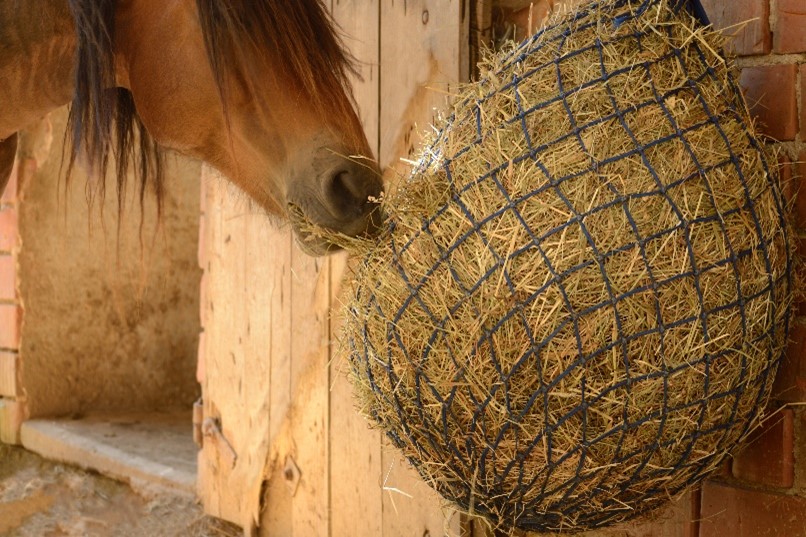
If your horse gets frightened around fireworks, taking steps to help keep him calm and relaxed can help him cope with the experience. Keep to your horse’s normal routine as much as possible to minimise stress. If your horse is in during fireworks make sure he has enough forage to keep him going throughout the night and try some stable enrichment, such as treat balls or a Coligone Healthy Lick, to help take his mind off what’s happening.
Similarly, if your horse is out, check there’s nothing dangerous in your field that could hurt him if he does run around. If you put hay out in the field, make sure there’s plenty to help keep them munching till morning.
Feeds and supplements that have a calming effect can also be really useful if your horse is experiencing stress and can be used as necessary to help keep your horse cool in potentially stressful situations.
Keeping Calm with Coligone
One of the main effects of stress is that it can make your horse’s stomach much more acidic, which in turns makes them uncomfortable and even more stressed. Increased acid within the stomach will also result in damage to the lining, so it’s easy to see how long-term stress can ultimately lead to Gastric Ulcers (EGUS).
Coligone Powder, Liquid and Oral Syringes, contain a combination of active ingredients that help to neutralise acid, maintain healthy acid levels, and soothe and coat the digestive tract to provide protection against acidic damage. This helps your horse feel more comfortable, relieving tension and promoting calmness.
So, not only does Coligone help combat the effects of stress from within, it also works as an effective calmer through maintaining gastric comfort and integrity and helping your horse stay more relaxed in times of stress.
Coligone Powder and Liquid can be fed daily to support optimum digestive health, help combat the effects of stress, and keep you horse calm and comfortable all year round. Alternatively, Coligone Oral Syringe can be fed at particularly stressful times to provide targeted support and relief, helping your horse to stay calm, focused, and relaxed.
Whilst you cannot completely eliminate stress from your horse’s life, taking steps to reduce the impact, through the right management and nutritional support, can help mitigate the challenges of different situations, and keep those stress levels to a healthy minimum.
If you have any questions about creating the best diet for your horse and keeping your horse healthy through the right nutrition, please contact Coligone – 0333 0503785/07986 183616 or sales@hbradshaws.co.uk.